

Key Takeaways
- Borrowers seek a private bridge loan in Sonoma County when they lack cash despite having good collateral and an executable business plan.
- Ten loan scenarios illustrate common situations where banks deny financing due to various issues, like property stabilization or debt structure.
- Private bridge loans fill gaps that traditional banks can’t, underwriting the collateral and the borrower’s plan instead of rigid criteria.
- Mayacamas Lending provides quick access to private bridge loans, facilitating deals that typically close within seven to ten days.
- Investors seeking opportunities can connect with Mayacamas to explore lending options in private real estate finance in Sonoma County.
Estimated reading time: 14 minutes
Every borrower who calls Mayacamas has the same three things. First, a business plan that is executable. Second, a clear exit. Third, good collateral. What they do not have is access to cash. Usually that is because a bank looked at the same file and could not make it fit.
That is the gap a private bridge loan exists to fill. It is also what we were built for.
Below are the last ten loans we closed or placed in Sonoma County and Northern California. We wrote them as scenarios rather than transactions, because the scenario is what repeats. If one of these reads like your situation, it probably is. We would like to hear from you.
If you are a private lender or an investor, read these with a different question in mind. Is this a loan I would want to hold? Every deal on this list was funded by a lender who understood the risk, took it, and is being paid for it.
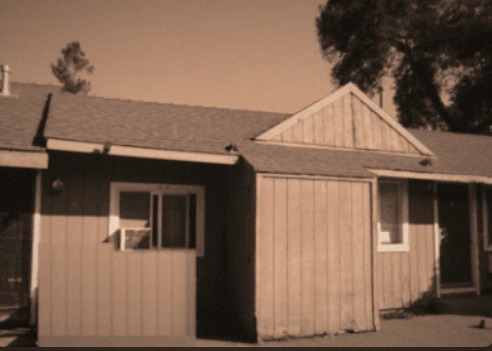
1. The bank said no because the building was not stabilized
Cloverdale, California. Multi-family bridge loan. $225,000.
Eleven units, owned free and clear, and normally full. Then three units came open at once. The building needed repairs to rent. So the owner went to their bank for a modest loan to turn the units and get them rented.
The bank declined. Not because the property was weak, but because the asset was not stabilized. With three vacancies, the bank could not lend against the income.
As a result, an owner with more than two million dollars of equity had no way to reach it. We underwrote the building on what it was: an estimated value of $2,088,000 with nothing owed against it. Then we placed the loan with one of our local lenders at a loan to value under 11 percent.
The proceeds renovate the three vacant units and restore the income the building always produced. Once stabilized, the property becomes exactly what the bank wanted in the first place. From there, the borrower follows the path in our guide to getting back to conventional financing after a private loan.
Is this you? If you own a rental that is between tenants or mid-renovation, this is your scenario. For lenders, this is a first deed of trust on a long-held apartment building at roughly a tenth of its value.
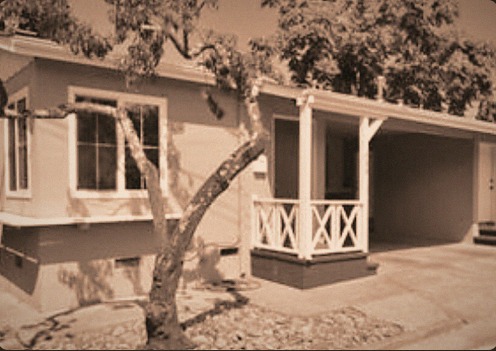
2. The equity was real, but it was sitting in the wrong asset
Sonoma, California. Commercial bridge loan. $1,100,000.
The right commercial building rarely comes available on a schedule that suits a bank. This borrower found one in Sonoma and had the equity to buy it. However, the equity sat in two Sonoma duplexes they already owned, not in an account they could draw on.
So we arranged a first position bridge loan against the duplexes. That released the cash for the commercial purchase. We structured it to be paid off cleanly once the acquisition closed. No stretch on leverage. No story required.
Wondering whether this is a bridge loan or a hard money loan? We explain the honest difference between the two.
Is this you? If you own property with equity and need to move on a purchase before you can refinance or sell, this is your scenario. For lenders, this is long-held residential collateral, low leverage, and a defined exit.
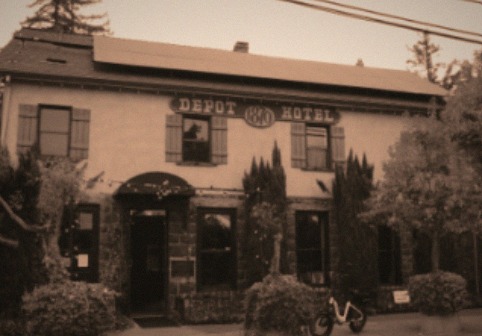
3. The words “historic” and “restaurant” stalled everyone else
Sonoma, California. Commercial bridge loan. $700,000.
The property has stood on First Street West for more than a century. When it came available to purchase, a local group stepped forward to buy it. They brought serious equity. They needed one more piece to close, from a lender who would not freeze at a landmark designation and a restaurant use.
Mayacamas funded $700,000 in house with capital from one of our local lenders.
Properties like this are why we wrote about the best private lending options for real estate investors. In short, the answer depends on what the asset is, not what box it fits.
Is this you? If you are buying a property that banks find hard to categorize, this is your scenario. That includes historic, mixed-use, and hospitality. For lenders, this is a landmark asset with a committed local ownership group and a large equity cushion.
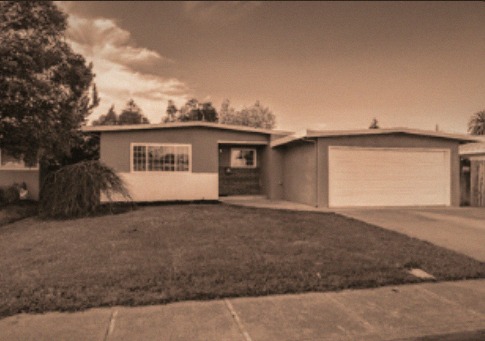
4. Three completed flips should buy better terms, and did
Fairfield, California. Fix and flip loan. $297,000.
The borrower is the contractor. They scope the work, perform it, and carry the schedule risk themselves. Three finished flips make that a record, not a claim.
The right answer here was not our own capital. Instead, we brokered the file to a fix and flip lender who reads a completed project history as underwriting. The result: 90 percent of purchase price and 100 percent of the renovation budget, on a twelve-month term.
Before you sign a quote like this one, learn how to read a private lender term sheet.
Is this you? If you have completed projects and are still being quoted like a beginner, this is your scenario. For lenders, this is a repeat operator with a repeatable plan.
5. The bank would do the loan, just at the wrong price
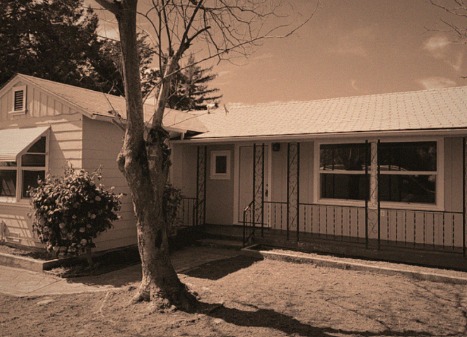
Lucerne, California. DSCR long-term rental loan. $149,400.
This borrower did not need a bridge loan. They needed a better rate. They came in with a bank quote on a single family rental that performed. Rents covered the debt. The bank simply would take too long to refinance.
So we took the file to the DSCR market. We matched the borrower with a lender who underwrote the property’s cash flow instead of the borrower’s tax returns. The rate came back starting with a 6, fixed for thirty years.
For context on pricing, see private money loan rates in California.
Is this you? If you hold a rental that pays for itself and your bank is pricing it off your personal income, this is your scenario.
6. First-time flipper, but not unprepared
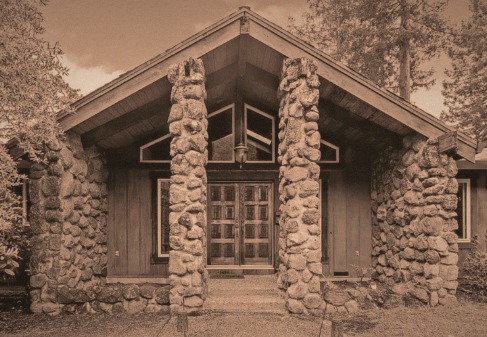
Santa Rosa, California. Fix and flip loan. $782,425.
Most lenders pause at the words “first-time fix and flip.” This borrower, a corporate executive, completed a women’s real estate investing program. Then she left her job to put it to use. She brought an off-market Santa Rosa property at $675,000 with good bones and a clear renovation scope.
We matched her to a fund that funded 85 percent of the purchase price and 100 percent of the renovation budget on a twelve-month term. What she lacked in repetition, she made up for in preparation. In other words, the deal underwrote on the plan as much as the property.
If you are earlier in that learning curve, start with the top private money loan questions from Reddit. Agents should also read the real estate agent’s edge in fix and flip.
Is this you? If you are stepping into your first project with a real scope and real equity, this is your scenario. For lenders, this is a well-bought property with a documented plan and a borrower who did the work first.
7. The bank wanted to keep the relationship, so we in 2nd position
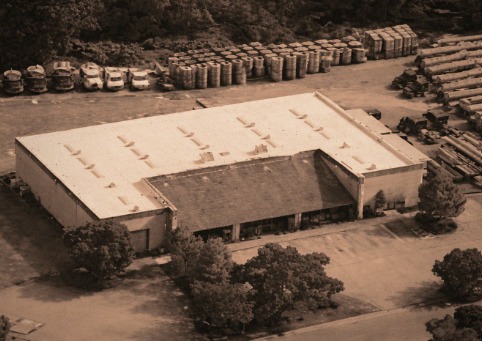
Santa Rosa, California. Commercial bridge loan, second position. $250,000.
A local bank came to us with a borrower they believed in and did not want to lose. The family had farmed in Sonoma County for over a hundred years. They also ran a trucking operation that served the region through good seasons and bad. Rising fuel costs and a contracting wine industry compressed their margins. As a result, the business needed capital to restructure.
The bank wanted their first position intact. So our lenders stepped in behind them with a $250,000 second deed of trust against a large industrial building. Combined loan to value across both positions was under 35 percent.
We see more of this every month as the wine economy resets. We wrote about it in the wine country reset.
Is this you? If you are a banker with a good client who needs more than you can give them right now, this is your scenario. For lenders, this is a second position with more equity behind it than most firsts.

8. Sold the business, kept the building, still owed the money
Sonoma, California. Commercial bridge loan. $100,000.
This borrower sold their business but kept the real estate underneath it, a property on the Sonoma Plaza. They still carried a debt obligation that needed to be settled. The equity was there. They needed a lender who would move quickly and structure around the asset they held.
We provided the capital, secured by a first deed of trust on the Plaza property. The loan paid off the obligation and left the borrower as a clean real estate owner.
Business transitions and estate settlements are common reasons a bridge loan makes sense. For example, see buying out the beneficiaries of a trust with a private bridge loan.
Is this you? If you have exited a business and are carrying a loose end secured by property you kept, this is your scenario. For lenders, this is a small first on Sonoma Plaza real estate.
9. The business was fine. The debt structure was killing it.
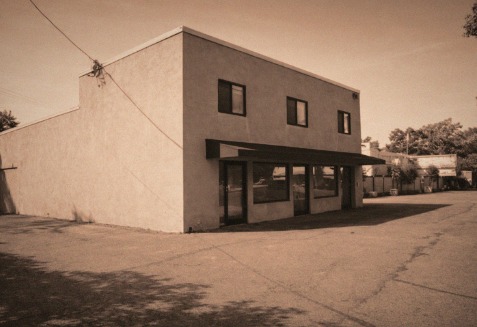
Santa Rosa, California. Commercial bridge loan. $559,000.
Merchant cash advance debt had become this Sonoma County business’s biggest liability. Weekly draws from multiple short-term obligations pulled cash out faster than the company could keep it. The business was not failing. The debt was designed to work that way. Meanwhile, significant equity.
We structured a real estate-secured first and second deed of trust. That retired the MCA balance in full and replaced fragmented weekly draws with a single monthly payment. Monthly debt costs dropped by more than $18,000. The loan was never meant to be permanent, and the borrower now has a clear path back to conventional financing.
We have written more on this than any other topic. Start with merchant cash advance payoff: what your real estate can and cannot do. Then read how to get out of a merchant cash advance in California and the real cost of a merchant cash advance.
Is this you? If you are a business owner making daily or weekly payments on advances, and you own real estate, this is your scenario. For lenders, this is secured, low-leverage real estate replacing unsecured, high-cost debt.

10. An experienced builder should not be priced like a first-time one
Petaluma, California. Fix and flip loan. $1,177,000.
This borrower came in holding a private lender quote that did not reflect the track record behind it. The project was an early-1900s home on a corner lot near a neighborhood park. A detached shed was suited for ADU conversion. We underwrote the operator alongside the asset. Then brokered to a lender who funded 90 percent of the purchase price and 100 percent of the renovation budget.
The builder modernized the home, converted the shed into an ADU, and brought a versatile property back to market.
If you build for a living, read construction loans for contractors: what lenders actually require.
Is this you? If you have done this work before and your quote does not show it, this is your scenario. For lenders, a track record is not a formality. It is underwriting.
What these ten have in common
None of these borrowers had a property problem. Instead, they had a timing problem, a category the bank could not fit, or a debt structure that had stopped working. Every one had an executable business plan, a clear exit, and good collateral. All they needed was access to cash. That is what we look for. It is also what our lenders are paid to fund.
We protect investor principal first. We structure for survival, not optimism. We tell the full story, including what can go wrong. Finally, we only partner where incentives and values match long term. If a deal only works in a good market, we do not do it.
Talk to us
Borrowers: if one of these reads like your situation, tell us about your project or call (707) 234-7229. Our FAQ page covers timing, fees, and structure.
Lenders and capital partners: if you want to see the next one of these before it funds, email us at info@mayacamaslending.com. New to lending on title? Start with trust deed investing in California, then four ways to invest in private real estate lending and our guide to self-directed IRA hard money lending.
Frequently asked questions
What is a private bridge loan? A short-term, interest-only loan secured by real estate. It covers the gap between a need for capital today and a longer-term event, such as a sale, a refinance, or a stabilized property. Mayacamas loans are business-purpose only and typically run six to twenty-four months.
Why would a bank decline a loan on a property with a lot of equity? Banks underwrite to a box. A property that is not stabilized, a use they cannot categorize, or income that does not show cleanly on tax returns will all produce a no. Equity alone does not change that. Private lenders underwrite the collateral and the plan instead.
How fast can a private bridge loan close in California? Once a complete package is in, Mayacamas typically issues a term sheet promptly. Most loans close within seven to ten days, subject to title and any third-party reports.
What loan to value does Mayacamas lend to? Low. Fix and flip loans above run up to 90 percent of purchase price and brokered to outside lenders. Commercial and multi-family bridge loans generally sit well under 65 percent combined loan to value and are funded in-house to our lender pool. Protecting the lender’s principal is the first test every loan has to pass.
Does Mayacamas lend its own money or broker loans? Both. Mayacamas primarily connects borrowers with a network of private lenders in Sonoma County and Northern California, then services the loan from funding to payoff. On some files, such as Fairfield and Lucerne above, a specialty lender is the right answer and we broker the file. On others, Mayacamas can fund directly or alongside its lenders.
How do I invest in private loans like these? Accredited and sophisticated investors can lend on title through a deed of trust, either directly or through a self-directed IRA. Email Ian at info@mayacamaslending.com to be added to the list that sees new loans before they fund.
Mayacamas Lending Inc. is a private lender serving real estate entrepreneurs in Sonoma County and Northern California. Led by Ian Tavelli, John Hensley, and Brad Wilkinson
3700 Montgomery Drive, Santa Rosa, CA 95405. CA
DRE #02306252.
Disclaimer
The case studies above describe actual loans arranged or funded by Mayacamas Lending Inc. Details have been generalized and borrower names withheld to protect privacy. Loan amounts, rates, terms, and loan to value ratios reflect the specific facts of each transaction and are not a promise of what any other borrower will receive. Every loan is subject to underwriting, collateral review, and lender approval, and terms vary by property, borrower, and market conditions. Mayacamas Lending arranges business-purpose loans only, secured by real estate, and does not make consumer or owner-occupied loans. Nothing on this page is an offer to lend or a commitment to fund. For lenders and investors, private loans secured by deeds of trust involve risk, including the possible loss of principal, and past performance does not guarantee future results. Nothing here is an offer to sell or a solicitation to buy any security. Consult your own legal, tax, and financial advisors before borrowing or investing. Mayacamas Lending Inc. is licensed by the California Department of Real Estate, license number 02306252.